

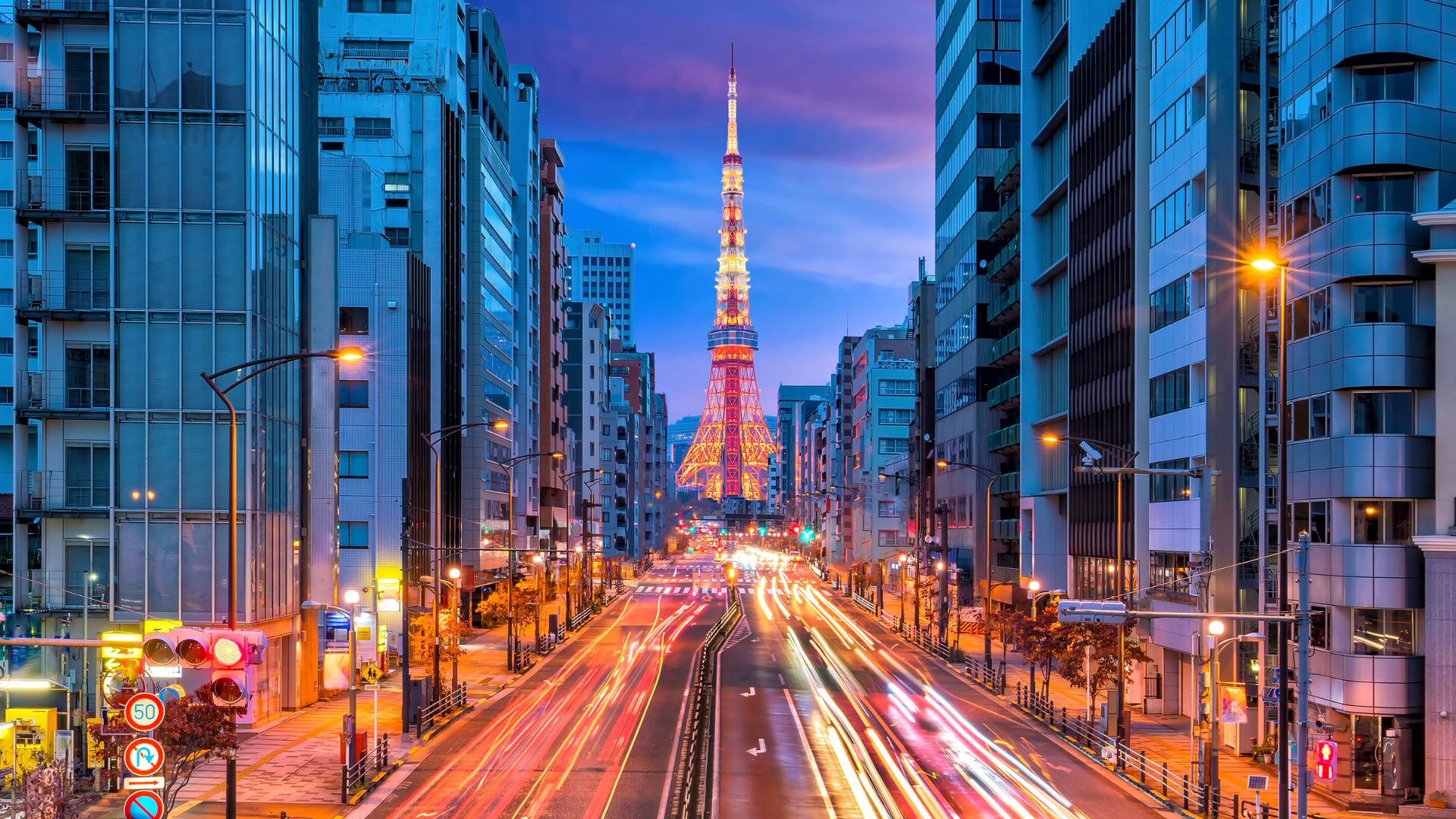
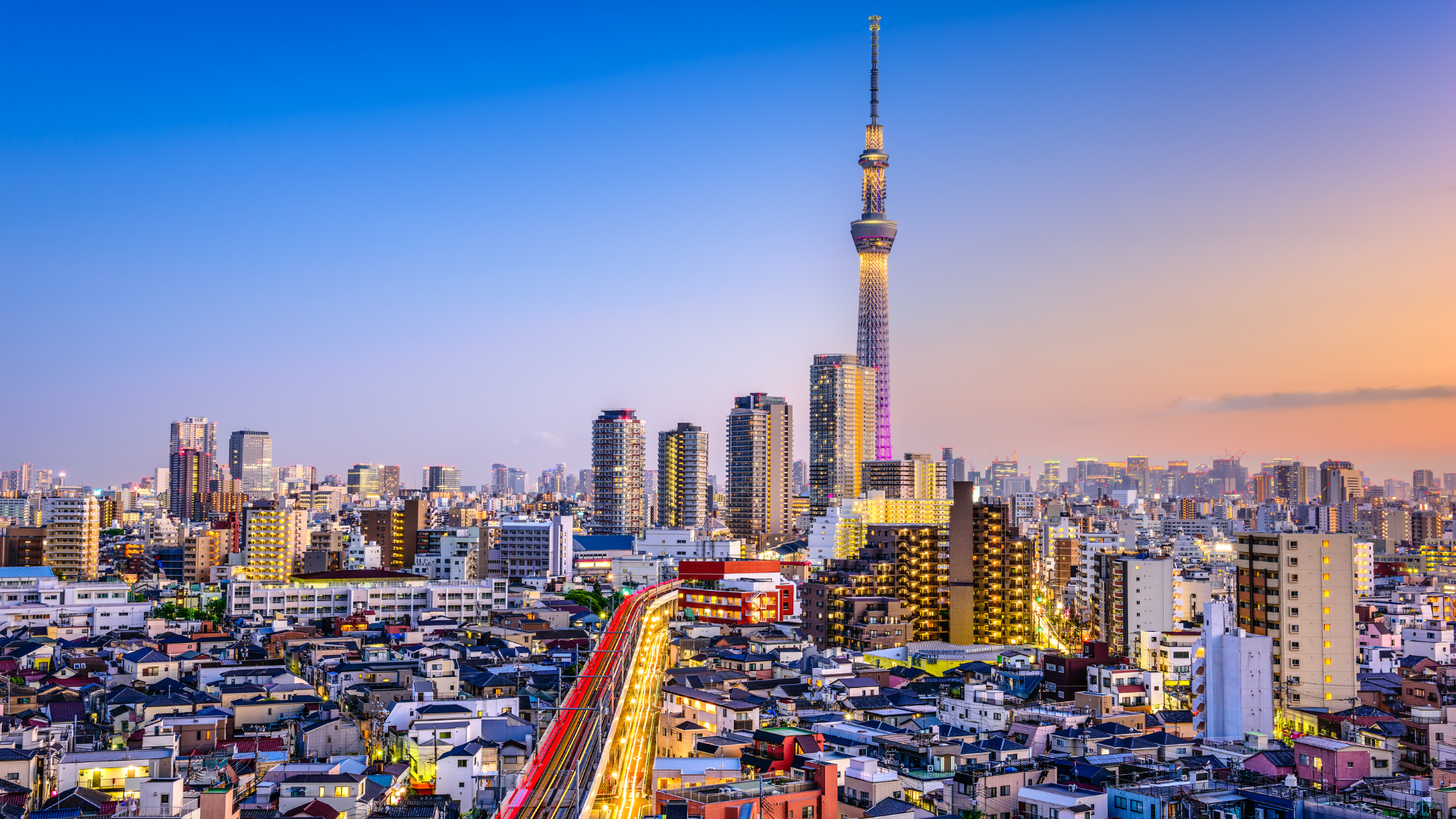
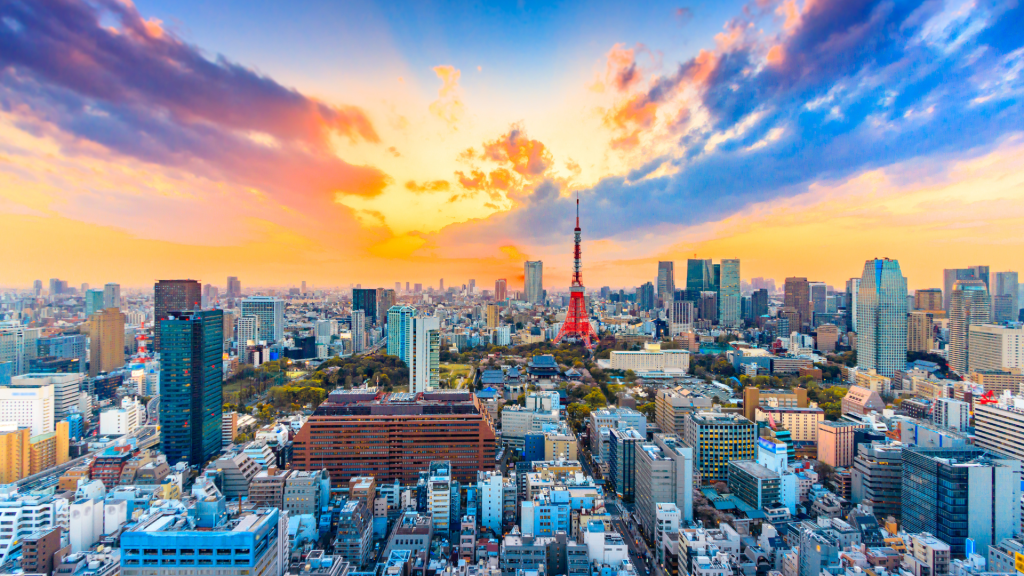
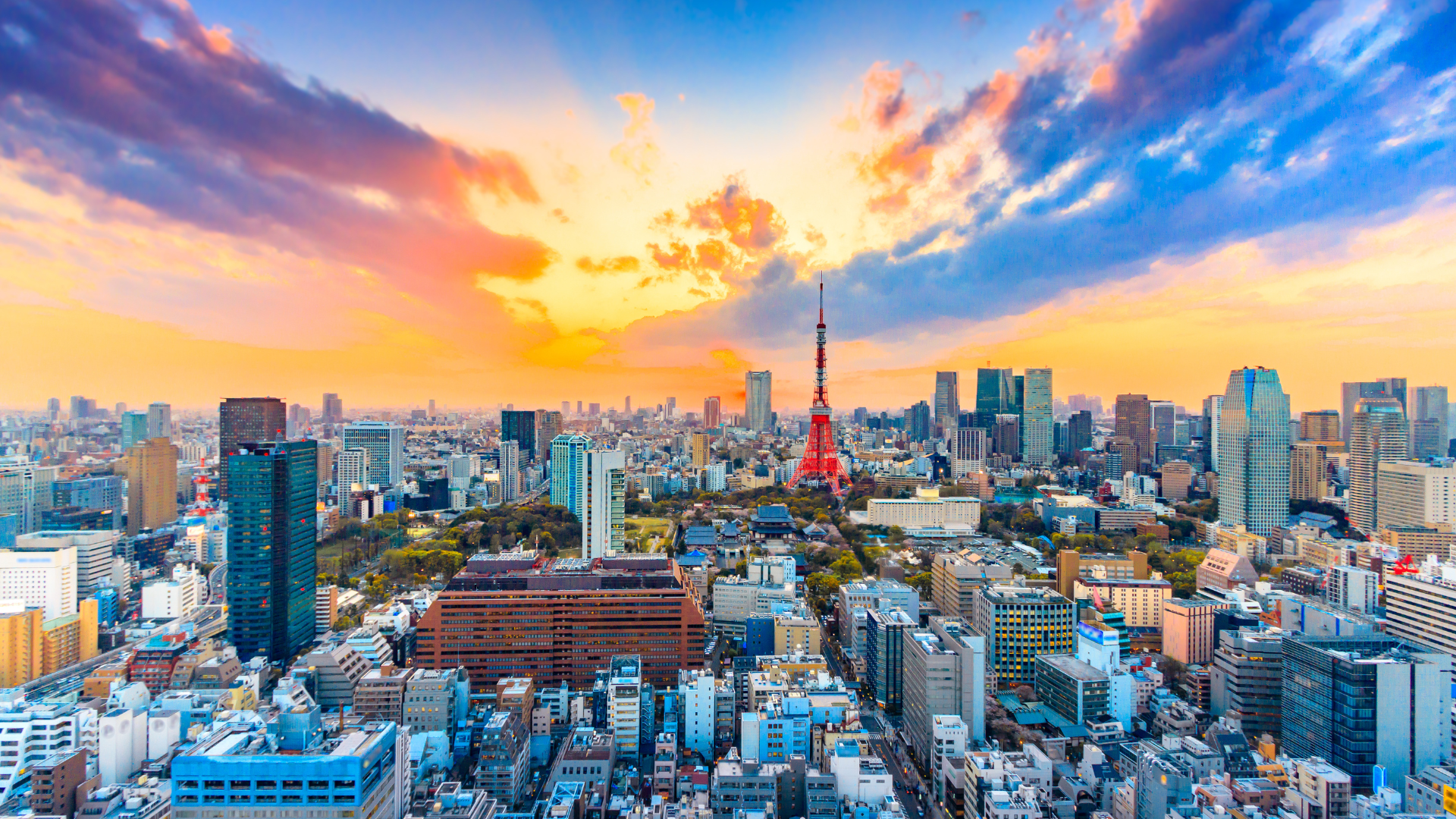
okyo (東京, Tōkyō) is Japan’s capital and the world’s most populous metropolis. It is also one of Japan’s 47 prefectures, consisting of 23 central city wards and multiple cities, towns and villages west of the city center. The Izu and Ogasawara Islands are also part of Tokyo.
Prior to 1868, Tokyo was known as Edo. Previously a small castle town, Edo became Japan’s political center in 1603 when Tokugawa Ieyasu established his feudal government there. A few decades later, Edo had grown into one of the world’s largest cities. With the Meiji Restoration of 1868, the emperor and capital moved from Kyoto to Edo, which was renamed Tokyo (“Eastern Capital”). Large parts of Tokyo were destroyed in the Great Kanto Earthquake of 1923 and the air raids of 1945.
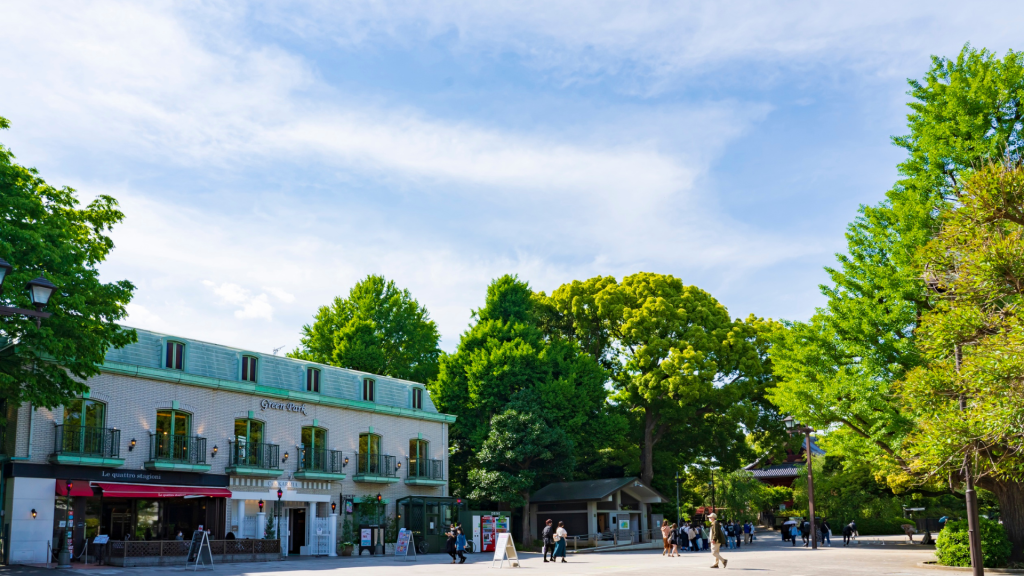
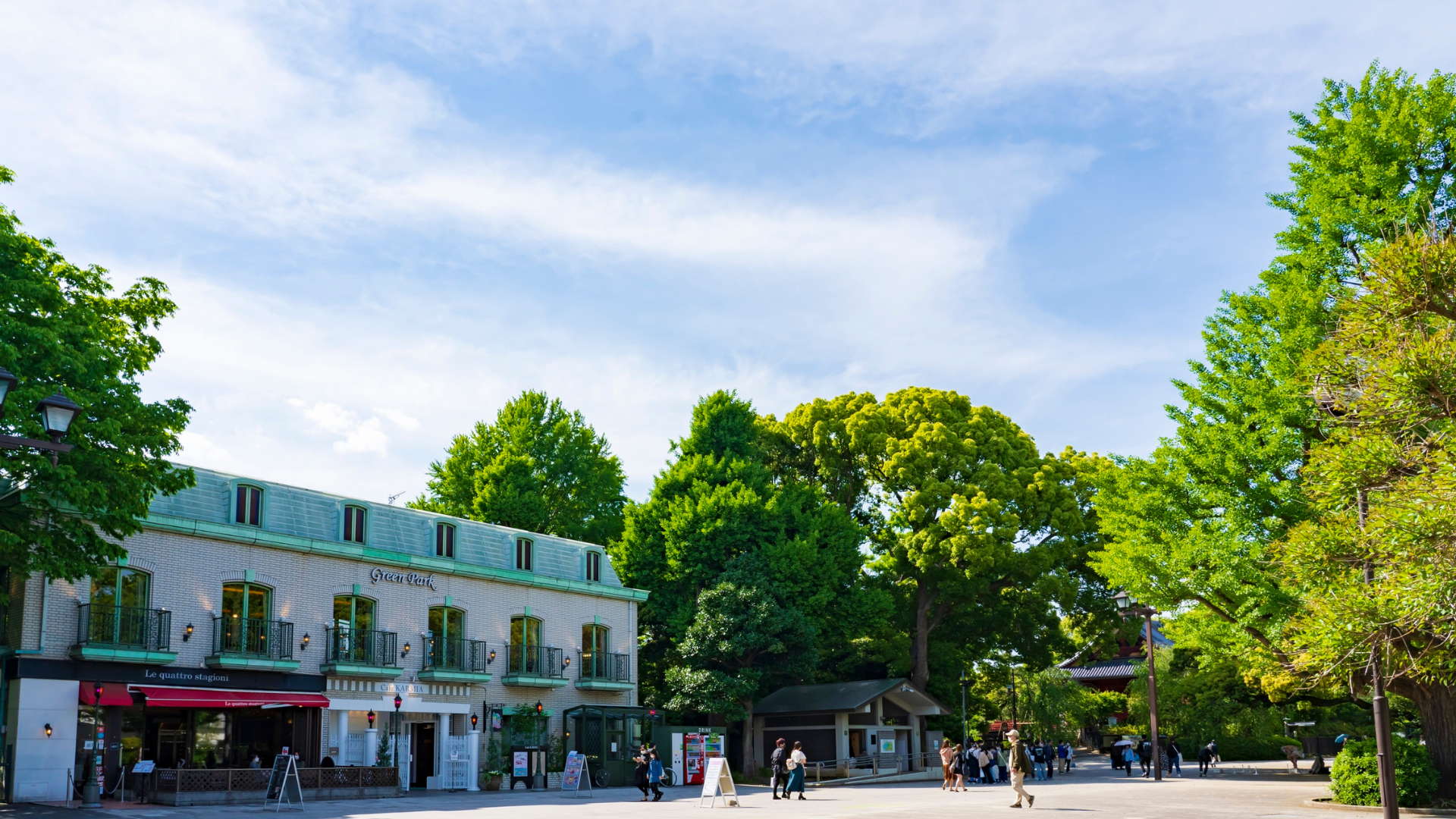
The city is distinguished by the harmonious coexistence of modern urban development with the long history and traditional values of Japanese society.
Tokyo’s cultural identity is based on respect, social courtesy, and an emphasis on collectivity. Daily life is characterized by a high level of organization, precision, and attention to detail, elements that are reflected both in public spaces and in human relationships. At the same time, the city is a center of artistic creation, technological development, and contemporary culture.
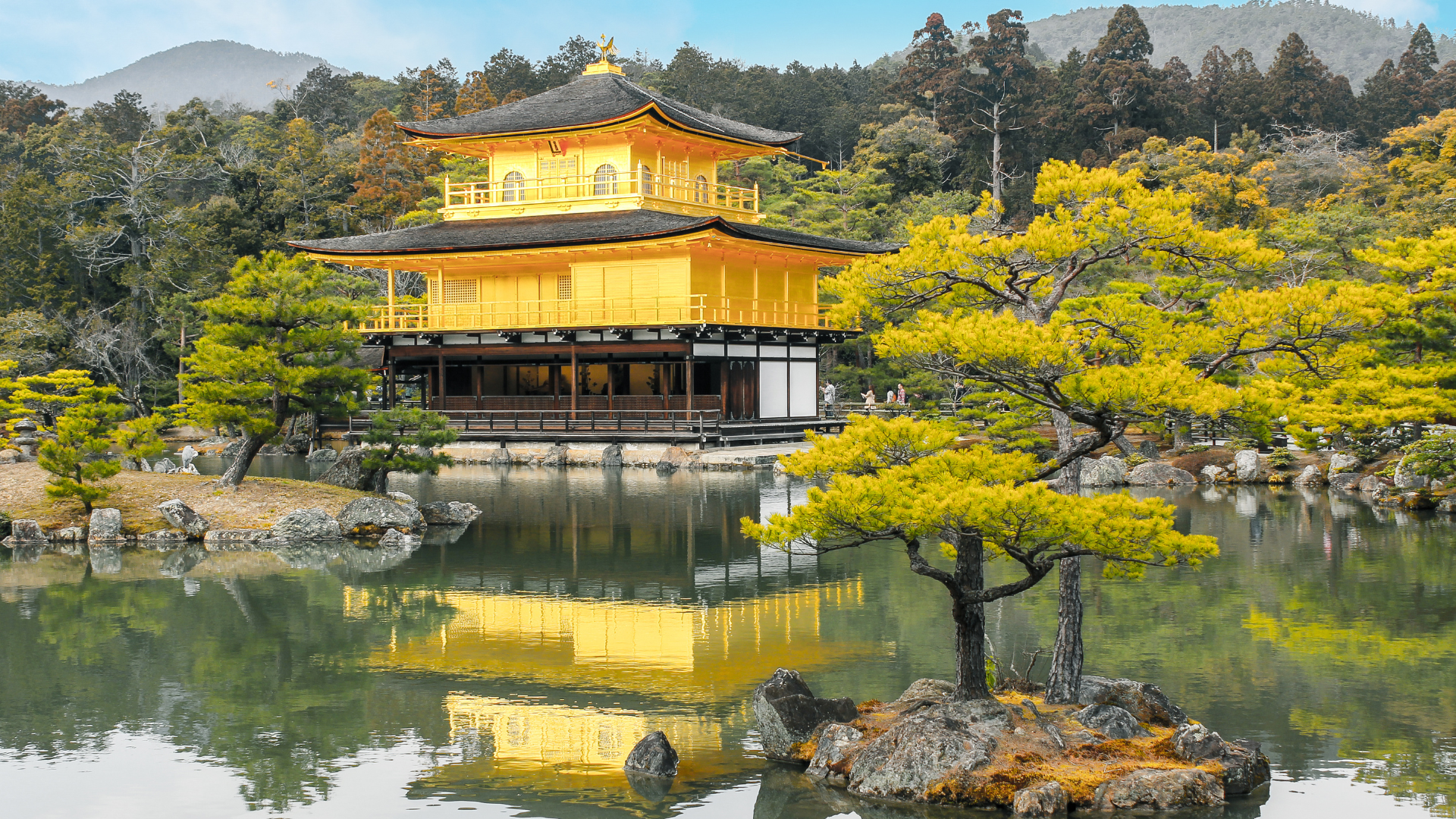
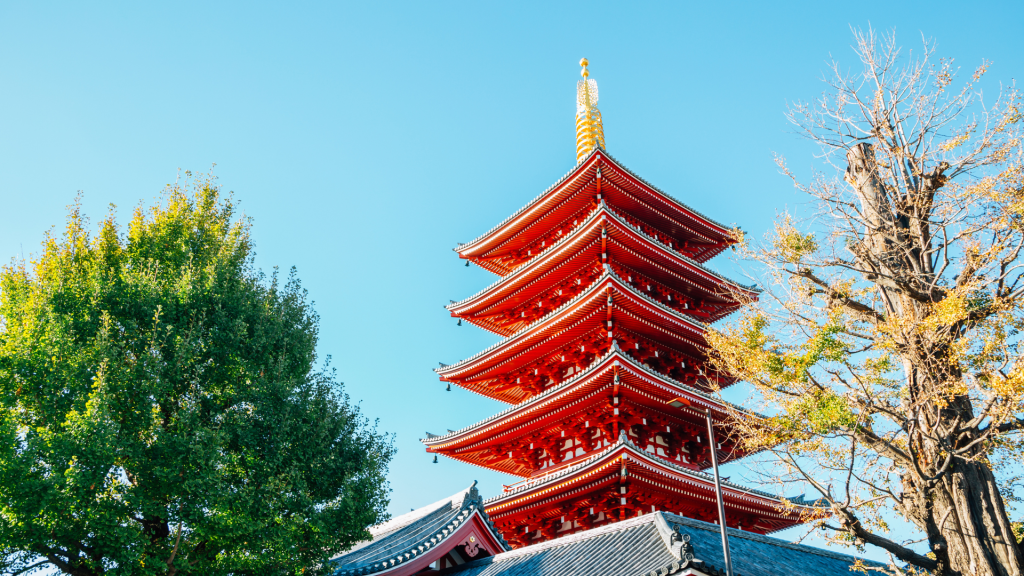
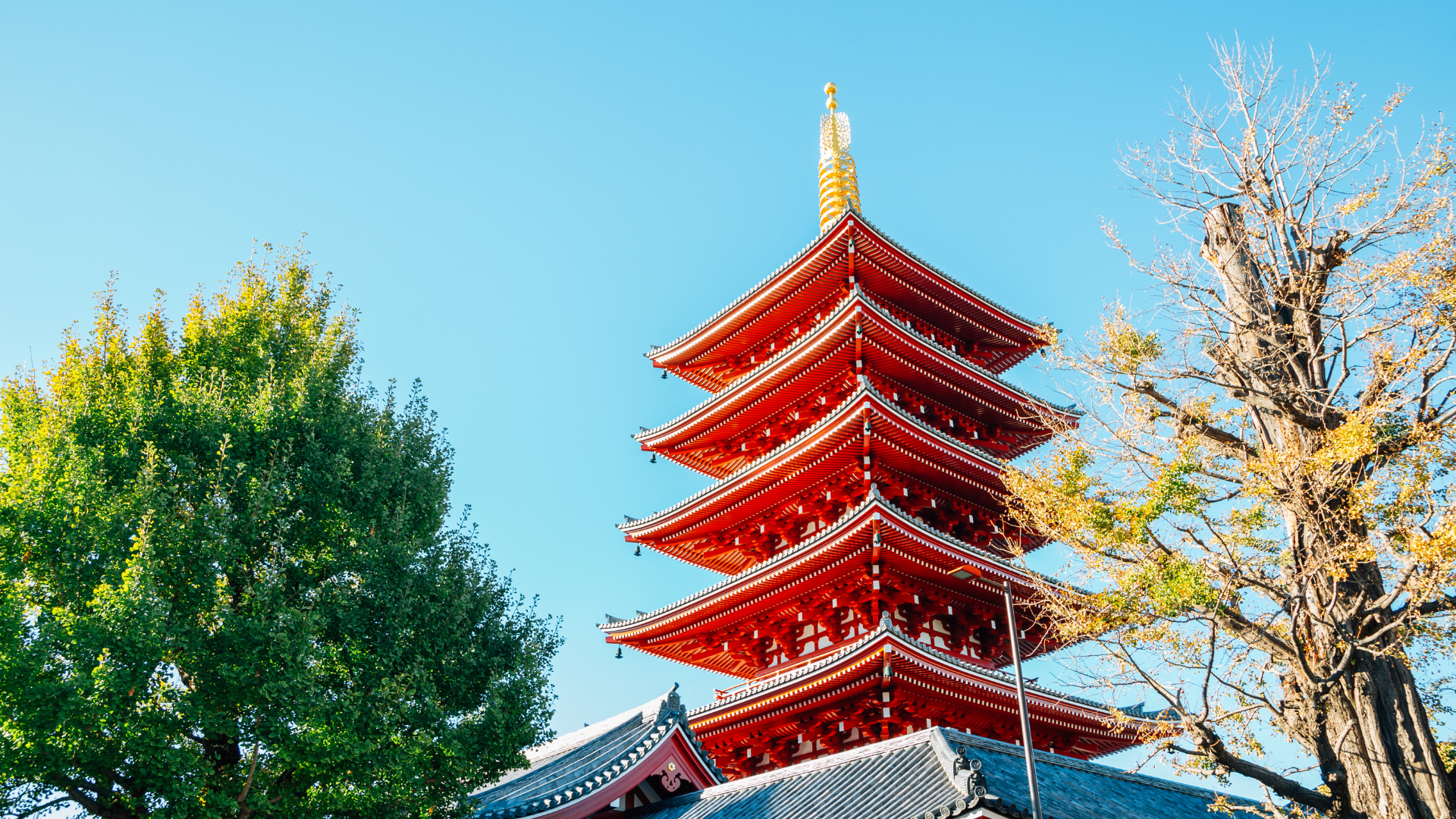
A distinctive feature of Tokyo is the balance between tradition and modern expression. Historic temples and cultural monuments coexist with modern architectural structures, while traditional customs and seasonal celebrations play an active role in contemporary urban life. Tokyo is a living example of cultural continuity and evolution.
What to do in Tokyo
TOKYO SHOPPING GUIDE
From cutting edge electronics to colorful anime goods, traditional crafts, trendy fashion and branded goods, Tokyo has a shop for practically anything one could ever want to buy.
Ginza
Gonza features some of the world’s most expensive international brands, showrooms and elegant department stores. Ginza Crossing, anchored by the Wako and Mitsukoshi department stores and the Nissan Crossing showroom, is a good place to start. Stroll the back streets like Suzuran Street and Azuma Street for a mix of smaller boutiques, kimono stores and art galleries.
Shinjuku
Centered around the world’s biggest train station, Shinjuku Station, this district is home to half a dozen major department stores, including several flagship stores; as well as outlets of Japan’s largest electronics retailers combined with a host of other shops and boutiques along its streets and underground shopping arcades. The streets are also full of restaurants, cafes and specialty shops.
Shibuya
Shibuya is another large shopping district that is the birthplace of many of Japan’s youth fashion trends. It is home to some well-known, trend setting clothing stores as well as dozens of small fashion stores along its streets.
Harajuku
Harajuku is a lively shopping district around Harajuku Station. Teens flock from all over Japan to check the latest trends, street food and pop culture. Takeshita Street (Takeshita Dori) is its center, and the place to see the newest trends and buy ultra cute “only in Japan” souvenirs. Explore the maze of side streets to find unique boutiques and themed cafes
TOKYO SPECIALTIES
Tokyo is one of the world’s most exciting dining destinations. The city features a wide range of both local and regional Japanese cuisine in addition to all types of international fare. As Japan’s political center for over four centuries, Tokyo has naturally exerted great influence on Japanese cuisine. Consequently, some Tokyo specialties have become so popular that they are now known as the standard version of the dish rather than a local specialty.
Nigiri-zushi
Japanese cuisine, and especially sushi, is now popular the world over. Nigiri-zushi, the most popular type of sushi today originated as a fast-food dish in Tokyo. Nigiri-zushi is sushi rice topped with a thin slice of fresh fish and it’s served at all sushi restaurants.
Soba
Soba (buckwheat noodles) established itself as a popular “fast food” by the mid-Edo period (18th century) and came to be a major local specialty of Tokyo. It’s also one of the few dishes that you are encouraged to slurp. This is because slurping is believed to be the best way to appreciate the aroma of the buckwheat noodles.
Monjayaki
Monjayaki is a type of runny pancake made with a flour-based batter into which shredded cabbage and other ingredients are mixed before it is all cooked on a hot griddle. The 60 or so eateries lining Tsukishima Monja Street serve everything from meat and seafood to spicy options.
Dorayaki
Dorayaki is one of the most well-known and popular Japanese pastries. It is traditionally made of two round, flat round cakes stuck one against the other by a red bean paste very popular with the Japanese, the anko. It can also be filled with chestnut, matcha, or cream
okyo (東京, Tōkyō) is Japan’s capital and the world’s most populous metropolis. It is also one of Japan’s 47 prefectures, consisting of 23 central city wards and multiple cities, towns and villages west of the city center. The Izu and Ogasawara Islands are also part of Tokyo.
Prior to 1868, Tokyo was known as Edo. Previously a small castle town, Edo became Japan’s political center in 1603 when Tokugawa Ieyasu established his feudal government there. A few decades later, Edo had grown into one of the world’s largest cities. With the Meiji Restoration of 1868, the emperor and capital moved from Kyoto to Edo, which was renamed Tokyo (“Eastern Capital”). Large parts of Tokyo were destroyed in the Great Kanto Earthquake of 1923 and the air raids of 1945.
The city is distinguished by the harmonious coexistence of modern urban development with the long history and traditional values of Japanese society.
Tokyo’s cultural identity is based on respect, social courtesy, and an emphasis on collectivity. Daily life is characterized by a high level of organization, precision, and attention to detail, elements that are reflected both in public spaces and in human relationships. At the same time, the city is a center of artistic creation, technological development, and contemporary culture.
A distinctive feature of Tokyo is the balance between tradition and modern expression. Historic temples and cultural monuments coexist with modern architectural structures, while traditional customs and seasonal celebrations play an active role in contemporary urban life. Tokyo is a living example of cultural continuity and evolution.
What to do in Tokyo
TOKYO SHOPPING GUIDE
From cutting edge electronics to colorful anime goods, traditional crafts, trendy fashion and branded goods, Tokyo has a shop for practically anything one could ever want to buy.
Ginza
Gonza features some of the world’s most expensive international brands, showrooms and elegant department stores. Ginza Crossing, anchored by the Wako and Mitsukoshi department stores and the Nissan Crossing showroom, is a good place to start. Stroll the back streets like Suzuran Street and Azuma Street for a mix of smaller boutiques, kimono stores and art galleries.
Shinjuku
Centered around the world’s biggest train station, Shinjuku Station, this district is home to half a dozen major department stores, including several flagship stores; as well as outlets of Japan’s largest electronics retailers combined with a host of other shops and boutiques along its streets and underground shopping arcades. The streets are also full of restaurants, cafes and specialty shops.
Shibuya
Shibuya is another large shopping district that is the birthplace of many of Japan’s youth fashion trends. It is home to some well-known, trend setting clothing stores as well as dozens of small fashion stores along its streets.
Harajuku
Harajuku is a lively shopping district around Harajuku Station. Teens flock from all over Japan to check the latest trends, street food and pop culture. Takeshita Street (Takeshita Dori) is its center, and the place to see the newest trends and buy ultra cute “only in Japan” souvenirs. Explore the maze of side streets to find unique boutiques and themed cafes
TOKYO SPECIALTIES
Tokyo is one of the world’s most exciting dining destinations. The city features a wide range of both local and regional Japanese cuisine in addition to all types of international fare. As Japan’s political center for over four centuries, Tokyo has naturally exerted great influence on Japanese cuisine. Consequently, some Tokyo specialties have become so popular that they are now known as the standard version of the dish rather than a local specialty.
Nigiri-zushi
Japanese cuisine, and especially sushi, is now popular the world over. Nigiri-zushi, the most popular type of sushi today originated as a fast-food dish in Tokyo. Nigiri-zushi is sushi rice topped with a thin slice of fresh fish and it’s served at all sushi restaurants.
Soba
Soba (buckwheat noodles) established itself as a popular “fast food” by the mid-Edo period (18th century) and came to be a major local specialty of Tokyo. It’s also one of the few dishes that you are encouraged to slurp. This is because slurping is believed to be the best way to appreciate the aroma of the buckwheat noodles.
Monjayaki
Monjayaki is a type of runny pancake made with a flour-based batter into which shredded cabbage and other ingredients are mixed before it is all cooked on a hot griddle. The 60 or so eateries lining Tsukishima Monja Street serve everything from meat and seafood to spicy options.
Dorayaki
Dorayaki is one of the most well-known and popular Japanese pastries. It is traditionally made of two round, flat round cakes stuck one against the other by a red bean paste very popular with the Japanese, the anko. It can also be filled with chestnut, matcha, or cream